1) Premature Infants
Premature babies have softer skulls and spend more time in neonatal
units lying on their backs, increasing their risk.
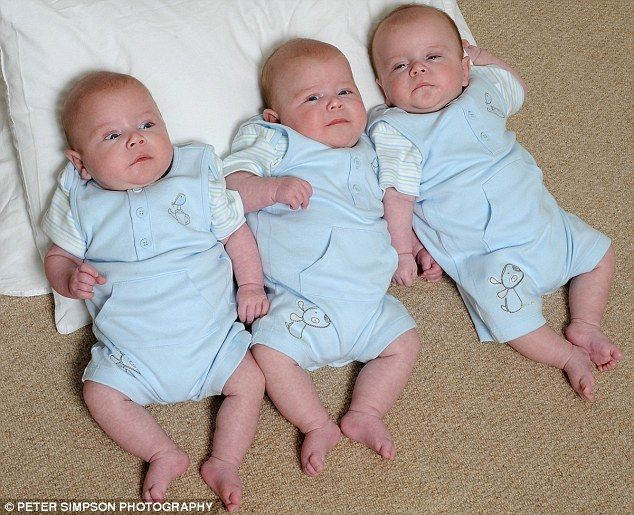
2) Multiple Births (e.g. Twins, Triplets)
Multiple babies may have limited space in utero, leading to restricted
movement and skull molding.
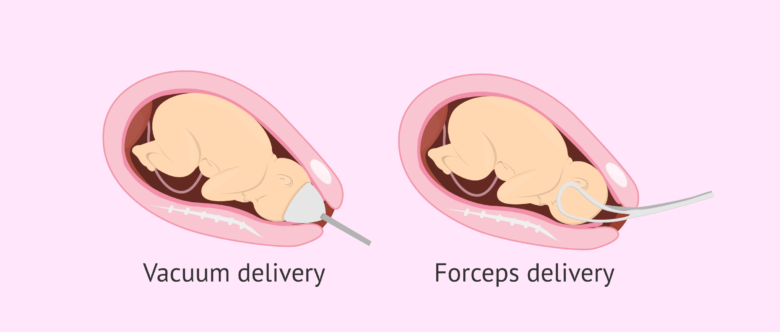
3) First-Born Infants
Firstborns are more likely to have prolonged labor or assisted deliveries
(forceps/vacuum), increasing risk of skull asymmetry.
4) Male Infants
Studies show male babies are more likely to develop plagiocephaly, possibly due to larger heads or differences in muscle tone.
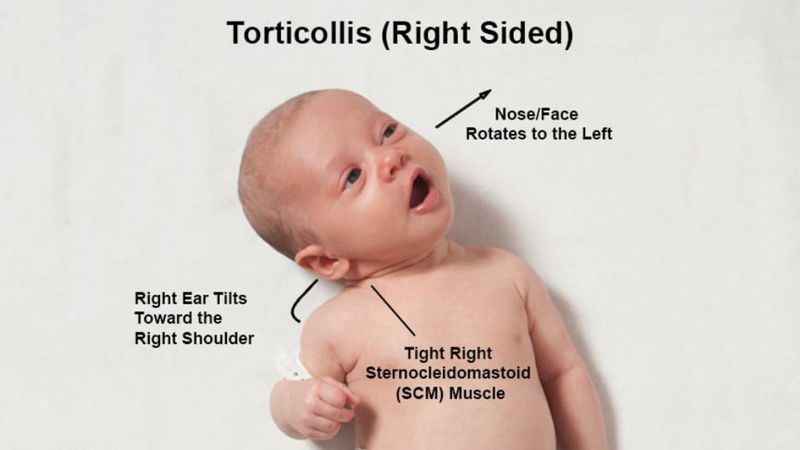
5) Limited Neck Mobility (Torticollis)
Babies with congenital muscular torticollis tend to rest their heads in one
position, contributing to flat head.
5) Limited Neck Mobility (Torticollis)
Babies who spend a significant time of their day in a ‘container’ – e.g.
bouncers, early seating systems can develop plagiocephaly as their heads
may not have freedom to move and they may rest their heads at one
spot for a significant period of time.